
Hangover Relief? The Truth About IV Therapy Solutions
If you’ve ever experienced a severe hangover, you know how debilitating it can be. The headaches, nausea, fatigue, and general malaise can make even the simplest tasks seem impossible. In recent years, a new solution has been making waves in the realm of hangover relief: Intravenous (IV) therapy.
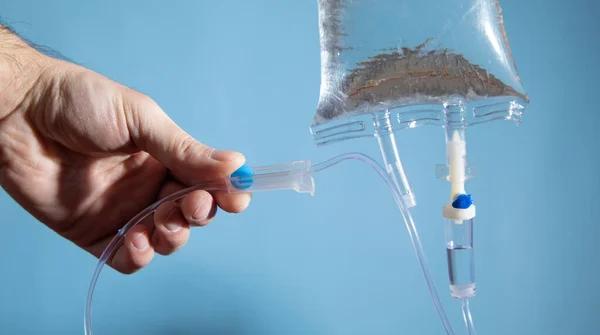
IV therapy is not a new concept; it has long been used in hospitals to treat patients suffering from dehydration or nutrient deficiencies. However, its use as a hangover cure is relatively recent. This approach involves administering fluids and essential nutrients directly into the bloodstream through an IV drip.
The theory behind IV therapy for hangovers is simple: Alcohol consumption causes dehydration and depletes vital nutrients from your body which leads to typical symptoms such as headache and exhaustion. By delivering fluids and nutrients directly into your bloodstream, IV therapy aims to rehydrate your body quickly and restore lost vitamins and minerals.
Proponents of this treatment argue that because the fluids are delivered directly into your bloodstream, they bypass the digestive system allowing immediate absorption by the body’s cells resulting in quicker relief from symptoms compared to oral hydration methods like drinking water or sports drinks.
However, despite its growing popularity among party-goers and wellness enthusiasts alike, there NAD Injections are some important considerations about this treatment method that need to be addressed.
Firstly, while IV hydration certainly helps with rehydration after excessive alcohol consumption – one aspect of hangover recovery – it does nothing for other aspects like restoring normal brain function or metabolizing residual alcohol still present in your system post-drinking spree.
Secondly, any procedure involving insertion of needles carries potential risks such as infection or injury if not done correctly by trained medical professionals. Additionally, there have been reports of people experiencing adverse reactions to certain vitamins infused during these treatments.
Lastly but importantly is cost consideration; these therapies don’t come cheap with prices ranging anywhere between $100-$200 per session depending on add-ons chosen like anti-nausea medication or vitamin boosts.
While IV therapy can provide temporary relief from some hangover symptoms, it is not a magic bullet. It does not eliminate the root cause of hangovers which is excessive alcohol consumption. The best way to prevent a hangover still remains moderation in drinking and ensuring adequate hydration before, during and after alcohol intake.
In conclusion, while IV therapy may offer a speedy solution for rehydration and nutrient replenishment post-alcohol bingeing, it does not address all aspects of hangover recovery nor does it come without potential risks or costs. As always, prevention is better than cure when it comes to handling the aftermath of heavy drinking.
Drip Docx Wellness & Aesthetics
2102 B Gallows Rd Second Floor, Vienna, VA 22182
703-677-1103